Most new website owners try to rank for broad keywords like “SEO,” “digital marketing,” or “best laptops.”
The problem?
These keywords have thousands of competitors and big companies dominate them.
This is why long-tail keywords are the smarter choice — especially for beginners.
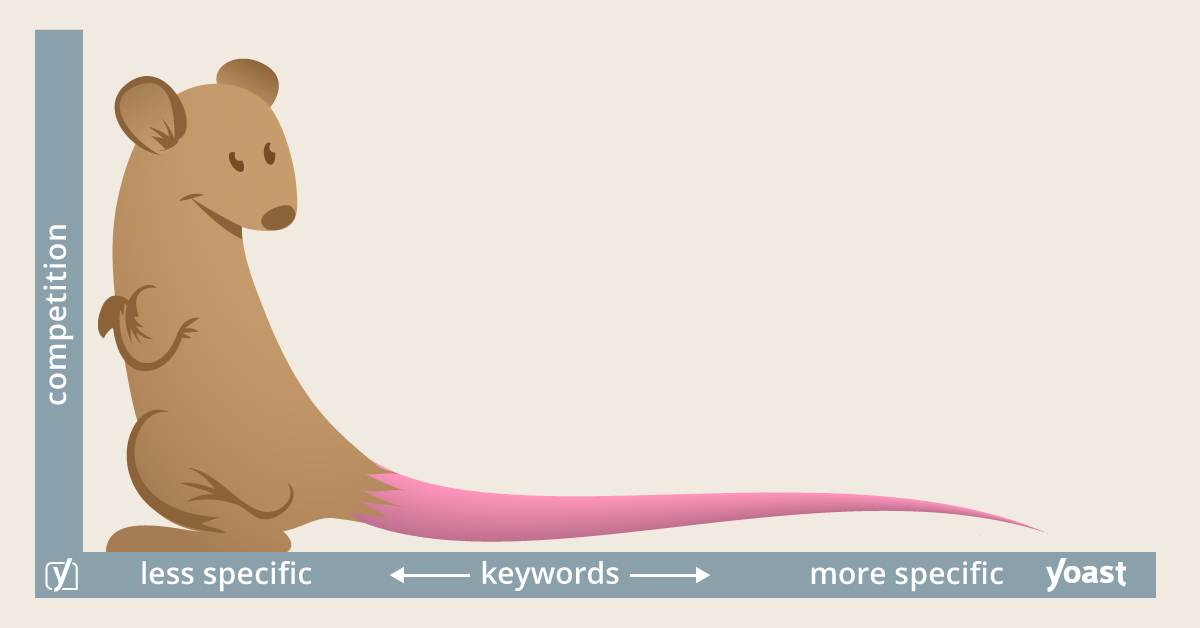
What Are Long-Tail Keywords?
Long-tail keywords are longer, more specific search phrases, usually 3–6 words long.
Examples:
-
“best SEO tools for beginners”
-
“how to speed up a WordPress website”
-
“affordable chauffeur service in London”
They may have lower search volume, but people searching for them know exactly what they want.
Why Long-Tail Keywords Matter
1. Easier to Rank
Short keywords have massive competition.
Long-tail keywords have fewer competitors, giving you a better chance to rank.
2. Higher Conversions
Someone searching “shoes” is not ready to buy.
But someone searching “best running shoes for flat feet men” is close to making a decision.
Specific keywords = ready buyers.
3. Better for New Websites
If your website is new, Google won’t immediately trust it.
But long-tail keywords help you gain visibility faster.
4. Natural Fit for Content
Long-tail keywords blend smoothly into articles, FAQs, and blog posts.
You don’t need to force them — they fit naturally into helpful content.
How to Find Long-Tail Keywords
Use these free methods:
A. Google Auto-Suggestions
Type your main idea and look at the suggestions.
B. People Also Ask
These questions often include perfect long-tail keywords.
C. Google Keyword Planner
Sort by low competition + medium search volume.
D. AnswerThePublic
Great for question-based long-tail keywords.
How to Use Long-Tail Keywords in Content
Place your keyword in:
-
Title
-
First paragraph
-
One heading
-
Throughout the content naturally
-
FAQ section
-
Meta description
Don’t repeat it too much — let the content feel natural.
Conclusion
Long-tail keywords are the easiest way to bring targeted traffic to your website. They’re easier to rank, match user intent, and work great for new websites.


No comments:
Post a Comment