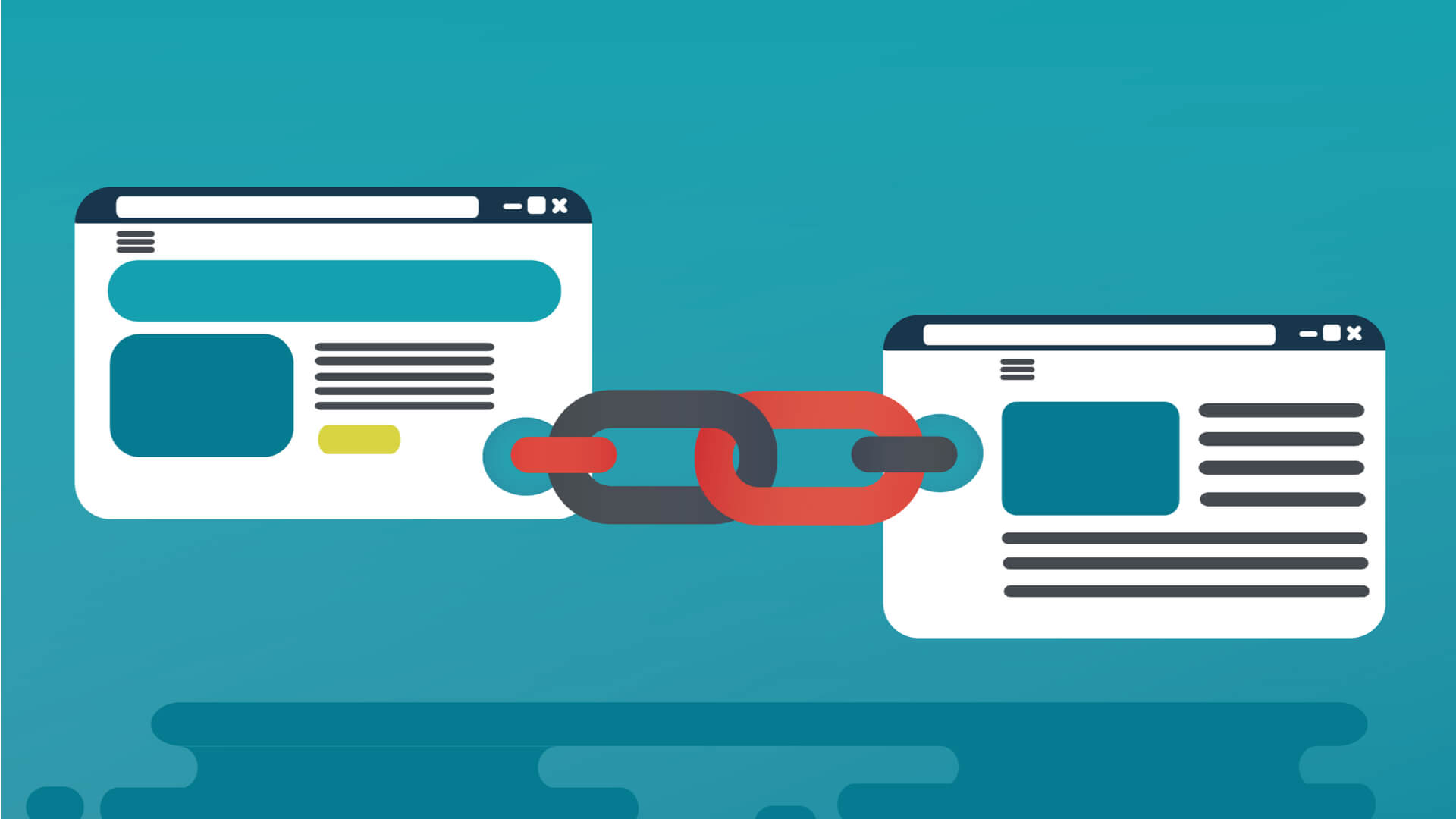
Internal linking refers to linking one page of your website to another page on the same site. It plays an important role in SEO because it helps search engines understand your website structure and guides users to relevant content.
Unlike backlinks, internal links are completely under your control, which makes them a powerful but often overlooked SEO factor.
Why Internal Linking Is Important
1. Helps search engines crawl your website
Search engines use links to discover and index pages. If a page has no internal links pointing to it, it may not be indexed properly.
2. Distributes page authority
Some pages on your website naturally gain more traffic and links. Internal linking helps pass authority from those strong pages to other important pages.
3. Improves website structure
A good internal linking structure creates a clear hierarchy, making it easier for search engines to understand which pages are most important.
4. Improves user experience
Internal links help users find related content easily, increasing time on site and engagement.
Best Practices for Internal Linking
-
Use descriptive anchor text instead of generic words like “click here”
-
Link only to relevant and helpful pages
-
Avoid adding too many links on a single page
-
Regularly check for broken internal links
Conclusion
Internal linking is a simple yet effective SEO strategy. When done correctly, it improves crawling, strengthens page authority, and creates a better experience for users — all of which support higher rankings.


No comments:
Post a Comment