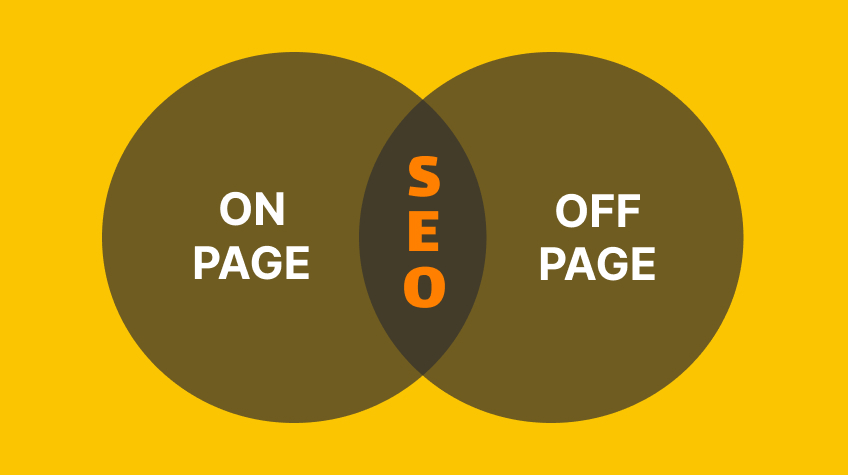
If you’re learning SEO, you’ll often hear two terms: on-page and off-page SEO.
These two pillars decide how search engines read, understand, and trust your website.
You can imagine your website as a shop:
-
On-page SEO is everything inside the shop — arrangement, cleanliness, labels, product clarity, and customer comfort.
-
Off-page SEO is everything people say about your shop outside — online mentions, reviews, recommendations, and popularity.
Both matter. Both work together. But they play different roles.
What Is On-Page SEO?
On-page SEO includes all the things you control directly within your website.
Key Elements of On-Page SEO
1. Page Titles
Your title must tell Google and users what the page is about in simple words.
2. Headings (H1, H2, H3…)
Headings help Google understand the structure of your content.
3. Keywords
Not stuffing — placing keywords naturally where they make sense.
4. URL Structure
Short, clean, and readable URLs rank better.
5. Internal Linking
Links between your pages help search engines crawl and understand your site.
6. Image Optimization
Images with proper alt text help Google read visuals.
7. Content Quality
This is the heart of on-page SEO.
Good content must:
-
Answer a clear question
-
Offer helpful information
-
Be easy to read
-
Avoid unnecessary filler
-
Match user intent
On-page SEO builds clarity.
It tells Google: “This is what my page is about. Rank it for this topic.”
What Is Off-Page SEO?
Off-page SEO happens outside your website. It’s mostly about trust and popularity.
Key Elements of Off-Page SEO
1. Backlinks
Links from other websites are like votes of confidence.
High-quality backlinks = high trust.
Poor-quality backlinks = risk of penalties.
2. Guest Posting
Writing on other platforms helps build authority.
3. Brand Mentions
Even if not linked, online mentions help boost reputation.
4. Social Media Signals
More shares = more visibility = more discovery.
5. Reviews and Reputation
Google trusts businesses that people trust.
Off-page SEO builds credibility.
It tells Google: “Others trust me — you can too.”
Which One Matters More?
This is like asking: What’s more important — your shop or your customers?
You need both.
-
Great content without trust won’t rank.
-
Strong reputation without clear content won’t rank either.
On-page SEO helps readability and relevance.
Off-page SEO builds authority and trust.
Together, they form a complete SEO strategy.


No comments:
Post a Comment